Sell 99% of Your Stocks, Do THIS Instead… (From The Oxford Club)
Key Points
- Manufacturers are raising prices across industries to combat higher oil prices.
- Higher oil prices raise the risk of inflation and recession, and a price shock is coming.
- Resilient labor markets and an end to the conflict can keep the S&P 500 trending higher.
- Special Report: Elon Unveils AI Passive Income Stream for Millions of Americans (From InvestorPlace)
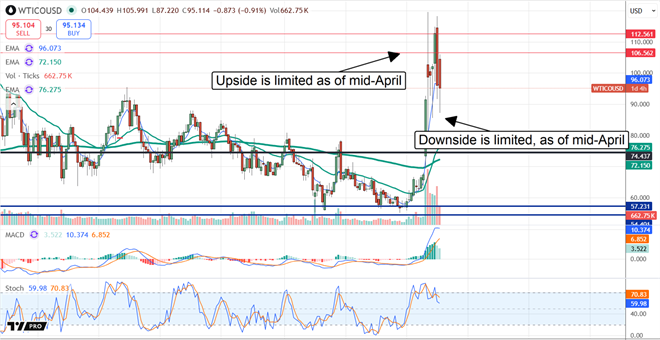
The fallout from the Iran war is mounting and is likely to trigger an inflation shock. The impact begins with oil prices, which have compounded costs across the economy. Oil prices appear capped near $115, so the upside risk is limited. The problem is that at mid-April levels near $95, WTI is still well off its lows and underpinning price increases across sectors. A severe risk, indeed.
The REAL Reason Trump is Invading Iran (Ad)
For a moment…
Forget about Trump’s ties to Israel.
Forget about reports of Iran’s nuclear program.
Because my research has led me to believe we’re risking World War 3 with Iran for a completely different reason.
Click here to find out what it is.
Among the latest to issue price increases are major appliance manufacturers Whirlpool (NYSE: WHR) and GE Appliances, a Haier Smart Home company. They cited extreme inflation pressure in the warning to dealers, intending to raise prices mid-June to offset the increases. The risks they raise are not only to their own businesses but to the economy at large, as significantly increased pricing across a wide range of products can and will lead to a recession; it’s only a matter of time. The caveat is that oil prices are volatile, and an end to the war is expected.
Oil Prices Shot Up When the War Started. What Happens When It Ends?
A lasting ceasefire will result in freer oil trade and lower oil prices. The question is the timing of lasting peace, and how low oil prices will fall when it comes. With an estimated 10% or more of global production offline or otherwise impaired by the war, it is likely that oil prices will remain elevated indefinitely, if not near current levels.
OPEC is a wild card in this equation. The cartel has agreed to increase production quotas, but two factors offset the impact. The first is that production increases fail to offset the lost Middle Eastern capacity, and the second is that the bulk of OPEC capacity remains locked behind the Strait of Hormuz. Saudi Arabia and its neighbors can increase production all they want, but they won’t be able to go to market until the conflict ends. The risk for oil bulls is that supply recovery, particularly once the conflict ends, happens quickly, driving oil prices back into the $60 to $70 range.
Inflation Data Reveals Impact of Higher Oil Prices: More to Come
The March CPI report revealed the impact of higher oil prices, with the headline figure spiking, and additional increases are coming. With inflation running hot at the headline and monthly levels, year-over-year figures will also accelerate, putting the Fed's risk firmly on the table. While the Fed has little influence over oil prices, the true cause of inflation, it may be forced to hike interest rates in order to try to stabilize consumer prices. The best-case scenario is that they stand pat, allowing the war and oil impact to run their course, but even this undercuts the market outlook this year, as it dampens the outlook for stocks.
The stock market rally is supported by earnings growth, which is expected to accelerate sequentially into the high-teens through the end of the year. Higher-for-longer interest rates mean higher business costs for a longer period, particularly for smaller-cap, pre-revenue, and unprofitable names that have been outperforming in April. In this scenario, market flows into small-cap names, the Great Rotation, as it has been labeled, will slow and potentially end as investors intensify their focus on quality, profitability, and capital returns.
Labor Market Strength and Economic Resilience Hang in the Balance
As it stands, the labor data and economic data generally reflect a healthy economy. Activity is diminished relative to highs set in 2022 and 2023, but those highs were influenced by pandemic stimulus and consumer-related spending that has largely played out. In Q2 2026, labor market trends align with past periods of economic health and expansion, with job growth, ample job availability, low unemployment, and rising wages. The economy can withstand a shock, assuming the upcoming inflation shock isn’t too severe or long-lasting, the S&P 500 will likely continue to trend higher, periodic corrections aside.
S&P 500 price action, in the index and the S&P 500 ETF (NYSEARCA: SPY), does not reflect the inherent risk. The market broke to new highs following solid earnings reports from JPMorgan Chase and other financial leaders. Chatter on the street is that the war will end soon. Even if it doesn’t, it hasn’t yet impaired the earnings outlook for the equities market. With reports from major tech companies, including NVIDIA and the Magnificent Seven, on the way, the odds are high that this market will continue to advance until it runs head-on into inflation.
The best course for investors is cautious, but not too cautious. There is a risk of another market correction, but volatility is the bigger risk. There is too much uncertainty in the outlook, with fundamentals remaining bullish, to go all in on a market exit. Taking profits off the table and getting capital ready for future deployment is reasonable; liquidating assets in anticipation of a major market meltdown is something else entirely.
Featured Articles
- Why Netflix Tanked Despite Big EPS Beat, Outlook Ahead
- Louis Navellier: Don’t buy OR sell another AI stock… (From InvestorPlace)
- JBHT Burns Rubber, Hits the Highway to a $300 Price Tag
- Altucher: This is My Favorite FREE Starlink Pre-IPO Ticker (From Paradigm Press)
- 3 Ways to Invest in the Growing GLP-1 Weight Loss Market
- Abbott Stock Crash: Rebound Could Be Coming Fast
- MAMA Says a Fresh High Could Come Before Mid-Year
Stay Ahead of the Market
The best investment opportunities don't wait. Get our research and stock ideas delivered straight to your smartphone—so you never miss a market-moving opportunity. Our text alerts ensure you see timely stock ideas and professional research reports instantly, whether you're in a meeting, commuting, or away from your desk.


